Insights
Stop-loss coverage – how it works

The TPA’s role in administering a self-funded plan
Stop-loss insurance protects the self-insured employer against “shock claims” – catastrophic claims that can drain the employer’s self-funding reserves and put the plan at risk. Stop-loss coverage reimburses an employer for claims above the threshold established in the insurance policy.
There are two types of stop-loss insurance:
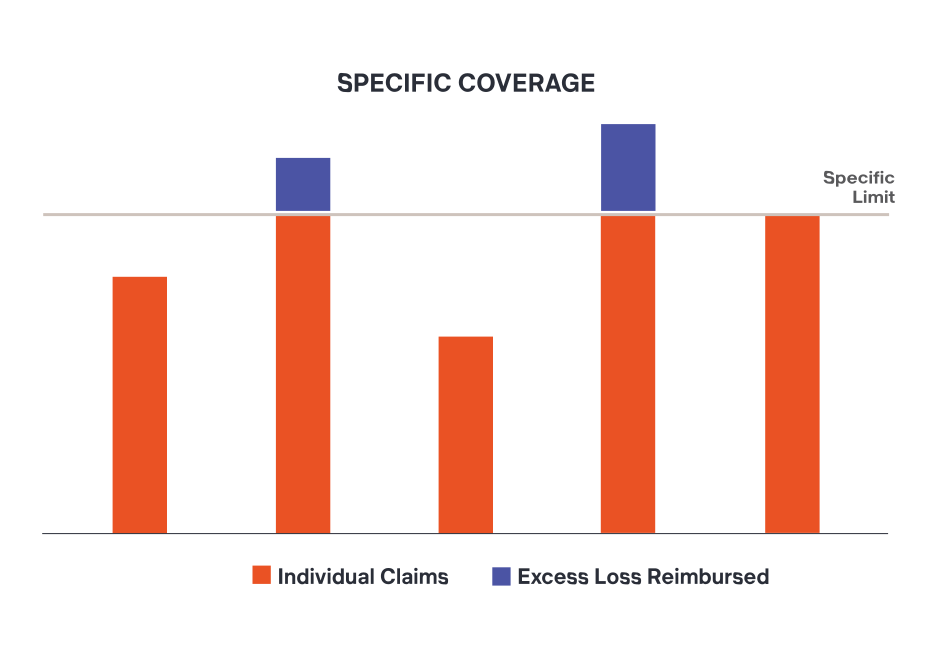
- Individual stop-loss insures against any individual’s claims exceeding a certain deductible amount in a particular year. For example, the stop-loss policy may cover expenses incurred by any individual in excess of $150,000.
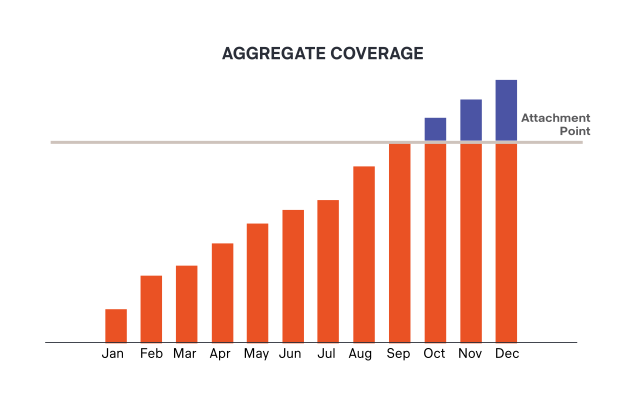
- Aggregate stop-loss insures against claim costs for the plan as a whole that exceed a certain amount (called the “attachment point”). For example, an employer may purchase insurance that reimburses the plan for claims in excess of 125% of the expected plan costs for the year.